
What Should You Eat During Your Stay in Portugal?


A Guide to Traditional Portuguese Food
Portugal may be a small country, but its gastronomy is incredibly rich and diverse. Influenced by the Atlantic Ocean, centuries of maritime exploration, and regional traditions, Portuguese cuisine offers a remarkable variety of flavors.
From fresh seafood along the coast to hearty meat dishes inland, every region has its own specialties. If you are visiting Portugal, exploring the local cuisine is just as important as visiting its historic monuments and breathtaking landscapes.
Here are some of the traditional Portuguese dishes you should not miss during your stay.

Northern Portugal: Bold Flavors and Traditional Recipes
Northern Portugal is known for its hearty cuisine and strong flavors, reflecting the region’s agricultural traditions and cooler climate.
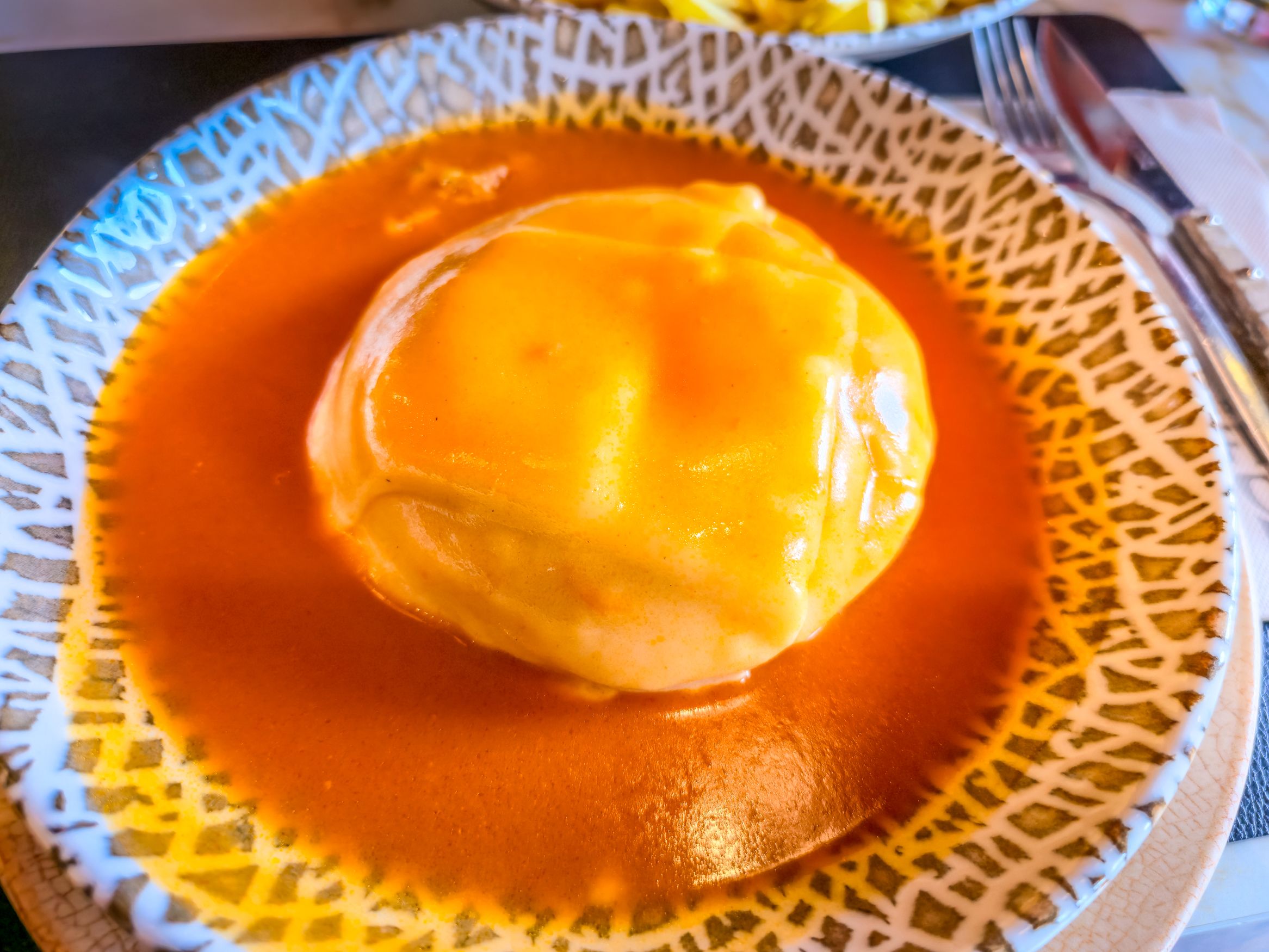
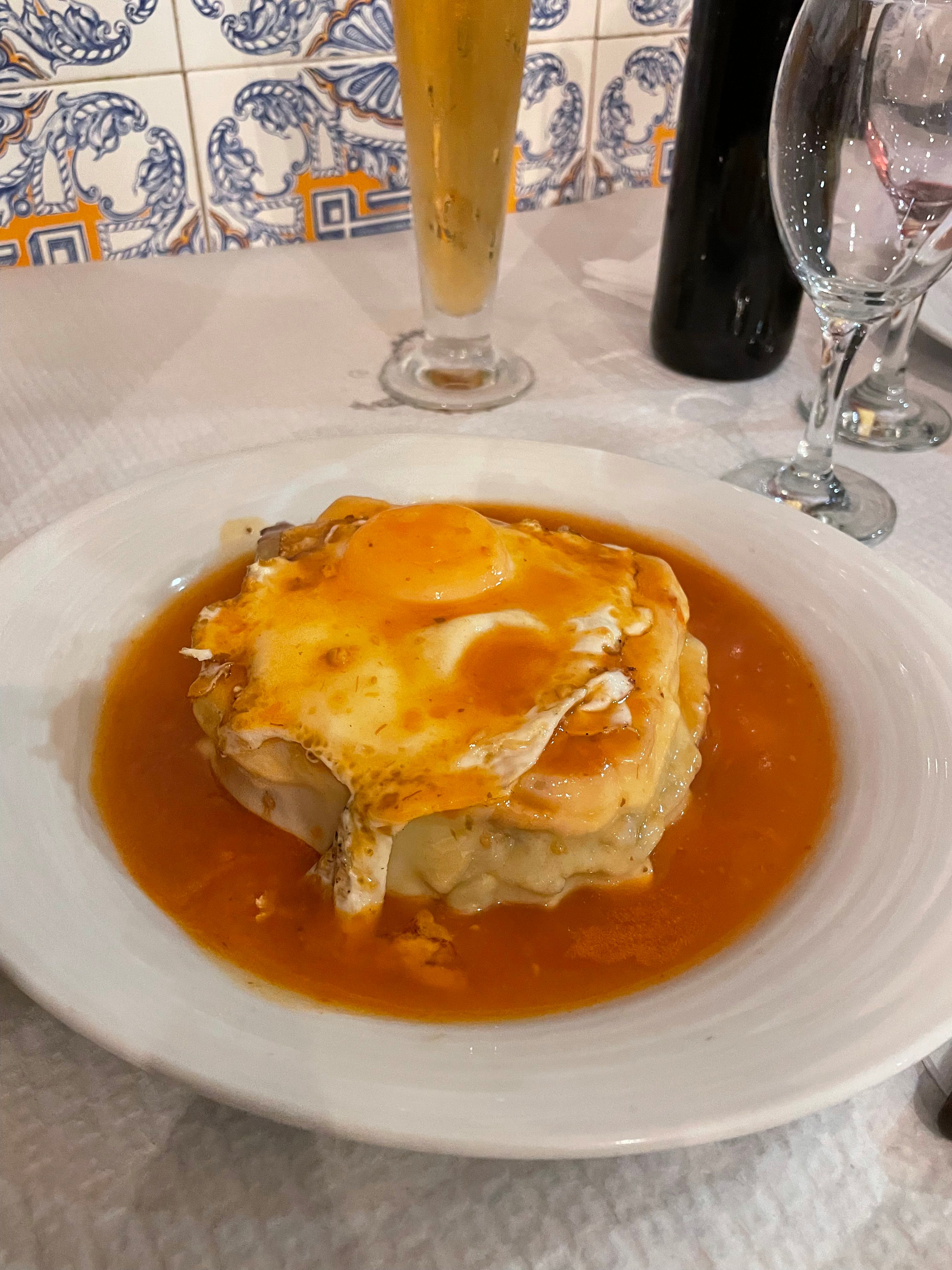
One of the most famous dishes in Porto is the Francesinha, a rich and indulgent sandwich made with layers of steak, ham, and sausage, covered in melted cheese and served with a spicy tomato and beer sauce. It is often accompanied by fries and a cold Portuguese beer such as Super Bock.
Another unique dish from the north is Alheira de Mirandela. This smoked sausage has a fascinating history. During the Portuguese Inquisition, Jewish communities created alheiras using poultry and bread instead of pork to disguise their identity and avoid persecution. Today, it is considered one of the most traditional Portuguese sausages.
No northern meal would be complete without a bowl of Caldo Verde, one of Portugal’s most iconic soups. Made with potatoes, shredded kale, olive oil, and slices of chouriço, it is simple yet incredibly comforting.
Seafood is also widely appreciated, and dishes such as Polvo à Lagareiro (octopus roasted with olive oil, garlic, and potatoes) are popular throughout the region.
Central Portugal: Traditional Dishes and Authentic Flavors
Central Portugal is famous for some of the country’s most beloved traditional dishes.
One of the highlights is Leitão, a roasted suckling pig with crispy skin and tender meat, particularly famous in the Bairrada region. It is typically served with fries and sparkling wine.
Another dish deeply rooted in Portuguese culinary culture is Cozido à Portuguesa. This hearty stew combines several types of meat, sausages, vegetables, and potatoes slowly cooked together. It is considered one of the most authentic and traditional meals you can experience in Portugal.
Portugal is also known as the land of codfish, or bacalhau. One of the most popular preparations is Bacalhau à Brás, made with shredded codfish, onions, eggs, and thin fried potatoes, topped with olives and parsley.
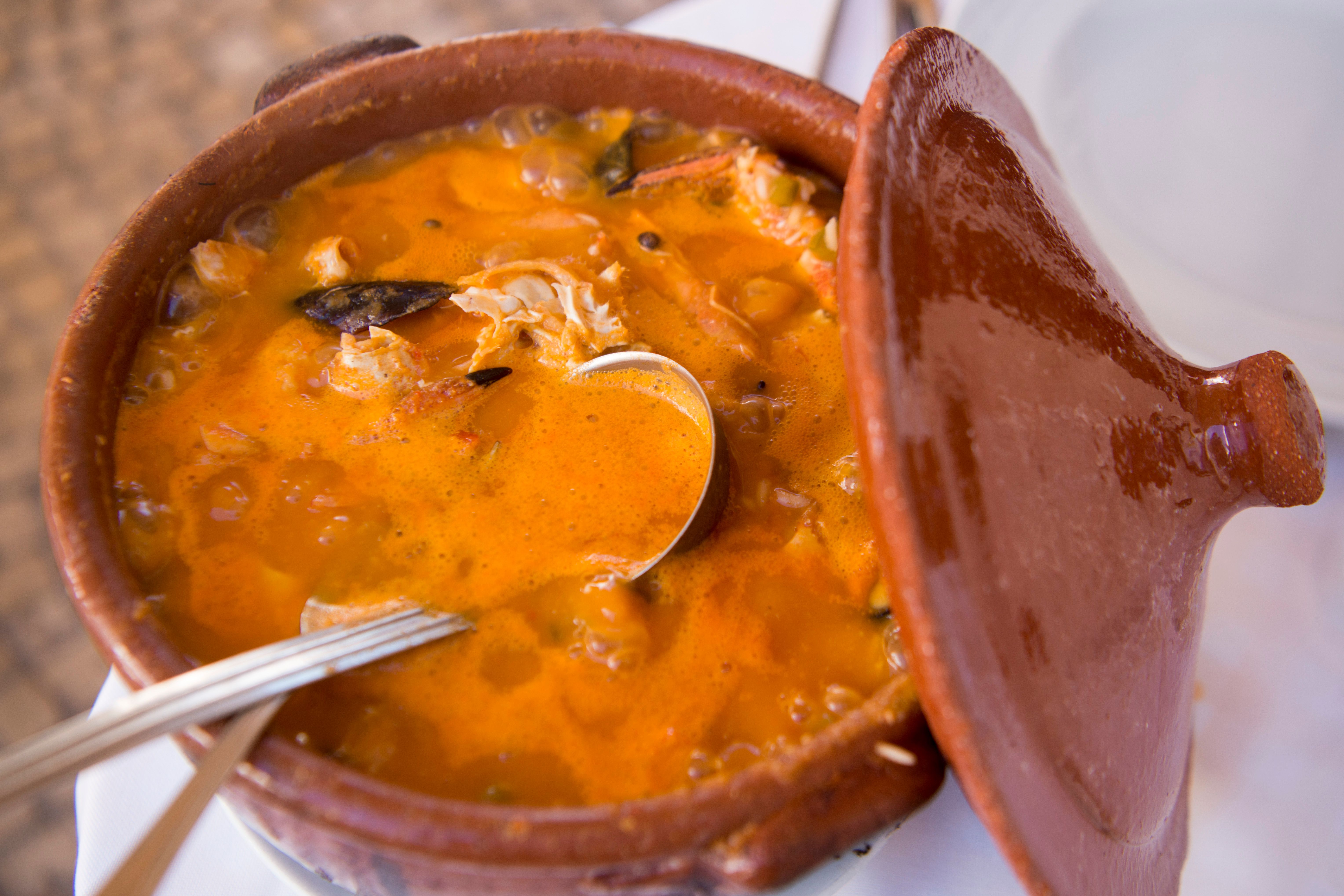
Along the coast, seafood lovers should try Arroz de Marisco, a rich seafood rice dish prepared with shrimp, clams, and other shellfish. It is especially popular in coastal towns.
Southern Portugal: Fresh Seafood and Mediterranean Influence
The southern region of Portugal, particularly the Algarve, is famous for its fresh seafood and sunny coastal cuisine.
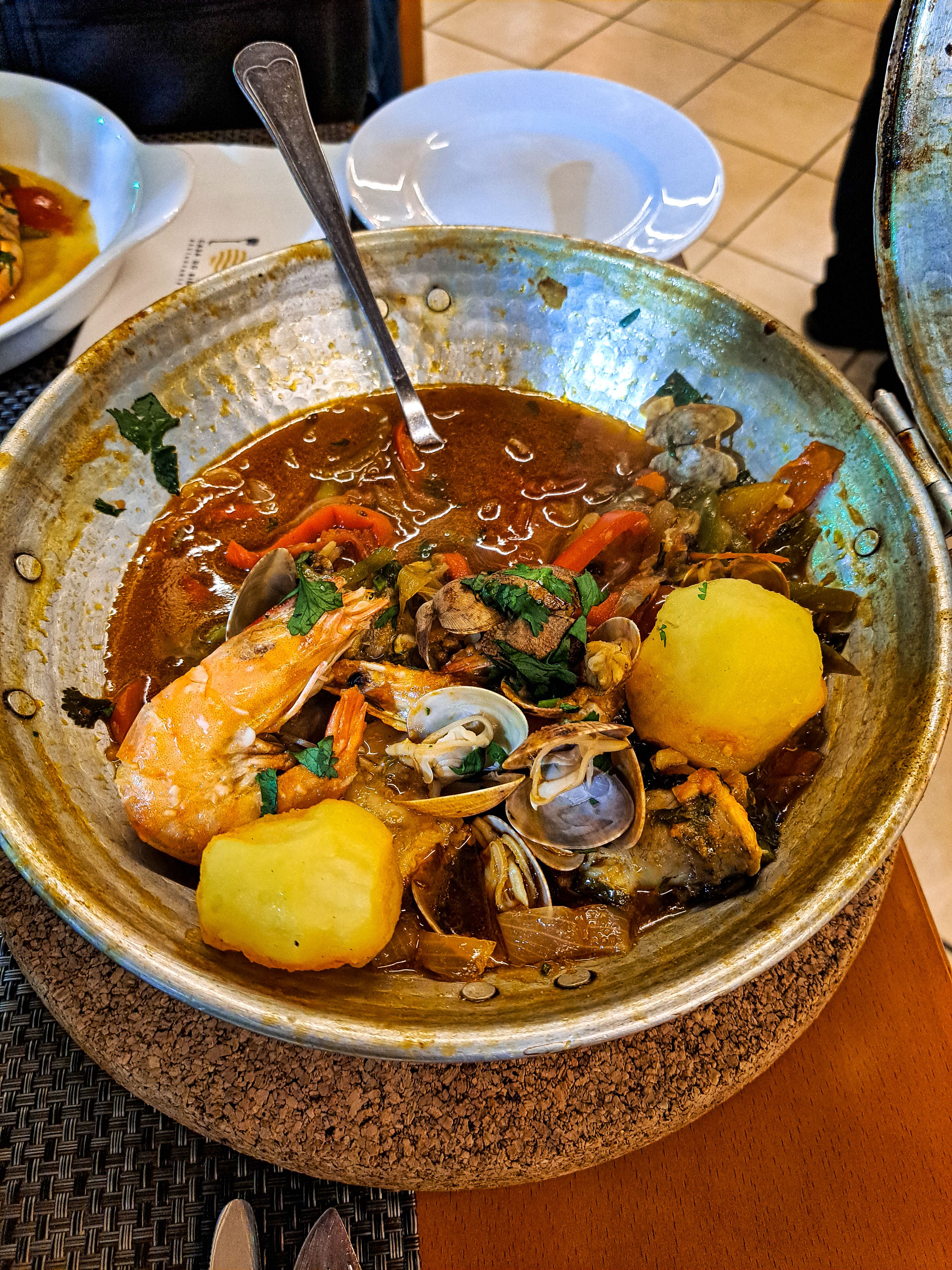
One of the region’s most traditional dishes is Cataplana, a seafood stew cooked in a distinctive copper pot of the same name. The dish often includes clams, shrimp, fish, tomatoes, onions, and herbs, creating a flavorful and aromatic meal.
Fresh grilled fish is also extremely popular in the Algarve. Restaurants along the coast frequently serve Dourada (sea bream) and Robalo (sea bass) simply grilled with olive oil and sea salt.
Another well-known fish dish is Peixe Espada (black scabbard fish), often served grilled or paired with banana, particularly in Madeira.
Street Food and Summer Traditions
Portuguese street food also reflects the country’s deep connection to the sea.
During the summer months, especially in Lisbon festivals, you will find Sardinhas Assadas (grilled sardines) served with bread and roasted peppers. The aroma of grilled sardines fills the streets during celebrations like the Festas de Santo António.
As a starter in many coastal restaurants, you might also find Camarão à Guilho, garlic shrimp cooked with olive oil, chili, and lemon — a perfect appetizer to begin a meal.
The Sweet Side of Portugal
For dessert lovers, Pastéis de Nata is a must-try. These delicious custard tarts, with their flaky crust and creamy filling, are best enjoyed with a sprinkle of cinnamon and powdered sugar. Head to the famous Pastéis de Belém in Lisbon for an authentic experience.

Another sweet delight is Queijadas, small cheesecakes that melt in your mouth. These are perfect for an afternoon snack or a sweet ending to any meal.
Traditional Drinks to Try in Portugal
Portuguese gastronomy is not complete without its drinks.
One refreshing option during warm days is Sangria, a drink made with wine, fruit, and sometimes sparkling water. There is ongoing debate about its origins, with some claiming it began in southern Portugal and others pointing to Seville in Spain. Regardless of its origin, Portuguese sangria has its own style and is widely enjoyed during relaxed meals and gatherings.
Another popular drink is Vinho Verde, a light and refreshing wine from northern Portugal that pairs perfectly with seafood.
Even something as simple as fresh orange juice can be exceptional in Portugal, particularly in the Algarve, where some of the sweetest oranges in Europe are grown.
Beer lovers will also recognize Portugal’s two most famous brands: Sagres and Super Bock, both commonly enjoyed with traditional Portuguese meals.
Sample the Wines and Cheeses
Portugal is not just about food; its wines and cheeses are equally enticing. The country is famous for its Port wine, originating from the Douro Valley, offering a rich and sweet taste that pairs perfectly with desserts.
Don’t forget to try the variety of Portuguese cheeses, such as Serra da Estrela, a creamy and slightly tangy cheese made from sheep’s milk. Pair it with a glass of wine for a truly memorable experience.

Conclusion: Taste the Tradition
Portuguese cuisine is a delightful journey through flavors and traditions. From the savory to the sweet, each dish tells a story of the country's rich cultural heritage. So, during your stay, make sure to explore these culinary treasures and savor the authentic tastes of Portugal.