Rick Steves' Portugal Travel Tips: Additional Insights from a Portuguese Local Guide


Why Portugal deserves a travel experience shaped around you, your interests, and the people you're traveling with.
A Local Perspective: What This Article Is Really About
Before we begin, I want to make something clear.
This article is not intended to criticize Rick Steves, question his knowledge, or suggest that there is only one correct way to explore Portugal.
It is simply the perspective of someone who was born and raised in Portugal, makes a living in tourism, and has spent years helping international visitors discover this beautiful country.
Over the years, I've had the privilege of welcoming travelers from the United States, Canada, the Philippines, Singapore, Mexico, Brazil, and many other countries.
And if there's one thing this profession has taught me, it's that people don't just come from different countries. They also travel differently.
Some visitors are passionate about history and architecture. Others are fascinated by religious heritage, traditional gastronomy, wine, or Portuguese culture.
Some love hiking and outdoor adventures. Others prefer beaches, shopping, photography, or simply relaxing in a traditional village.
And sometimes, even people traveling together have completely different expectations.
This diversity is precisely what makes tourism so interesting.
First, Credit Where Credit Is Due: Rick Steves Understands Portugal
I believe Rick Steves deserves genuine recognition for his contribution to European tourism.
His recommendations about Portugal reflect extensive research, years of travel experience, and a sincere appreciation for our country's history, traditions, and people.
What I particularly admire is his ability to look beyond the obvious tourist attractions.
In many ways, Rick Steves has managed to see Portugal through the eyes of a local, appreciating aspects of our culture that many visitors might otherwise overlook.
His work encourages travelers to be curious, understand local traditions, and connect with the destinations they visit.
As a Portuguese guide, I recognize the value of that approach.
I agree with many of his recommendations, including the importance of visiting historical destinations such as Lisbon, Sintra, Tomar, Évora, and Porto.
However, I also believe that even the most carefully researched itinerary cannot fully reflect the interests and expectations of every traveler.
And that's where I'd like to offer an additional perspective.
Rick Steves' Lisbon Travel Tips: One City, Many Different Experiences
Lisbon is much more than a collection of famous monuments.
It's a city where centuries of history meet modern culture, traditional neighborhoods, gastronomy, and everyday Portuguese life.
Rick Steves rightly highlights Lisbon's historical and cultural attractions.
But from my experience, two visitors can explore exactly the same city and leave with completely different favorite memories.
For some, Lisbon is about the Age of Discoveries, the Jerónimos Monastery, Belém Tower, and Portuguese maritime history.
For others, it's about wandering through Alfama, listening to Fado, exploring traditional shops, or enjoying a meal in a local restaurant.
Some visitors are fascinated by architecture and museums.
Others prefer panoramic viewpoints, photography, shopping, or discovering contemporary Lisbon.
And some simply want to enjoy the atmosphere without rushing from one attraction to another.
None of these travelers is experiencing Lisbon incorrectly.
They're simply discovering different sides of the same city.
That's why I believe a great Lisbon itinerary should begin with a conversation about personal interests rather than a predetermined checklist of attractions.
Rick Steves' Sintra Travel Tips: Understanding the Local Challenges
Sintra is one of Portugal's most extraordinary destinations.
Its palaces, gardens, romantic architecture, and mountain landscapes make it a fascinating place to explore.
But Sintra also presents practical challenges that visitors should understand.
The region has narrow mountain roads, restricted traffic areas, limited parking, and attractions that often involve uphill walks.
Certain roads and access routes restrict large vehicles, including tour coaches.
For larger groups, this can sometimes mean additional walking or alternative transportation arrangements.
Smaller, properly authorized tourist vehicles may offer more convenient access to certain locations, although they must also comply with local restrictions.
But transportation isn't the only consideration.
Not everyone visiting Sintra wants the same experience.
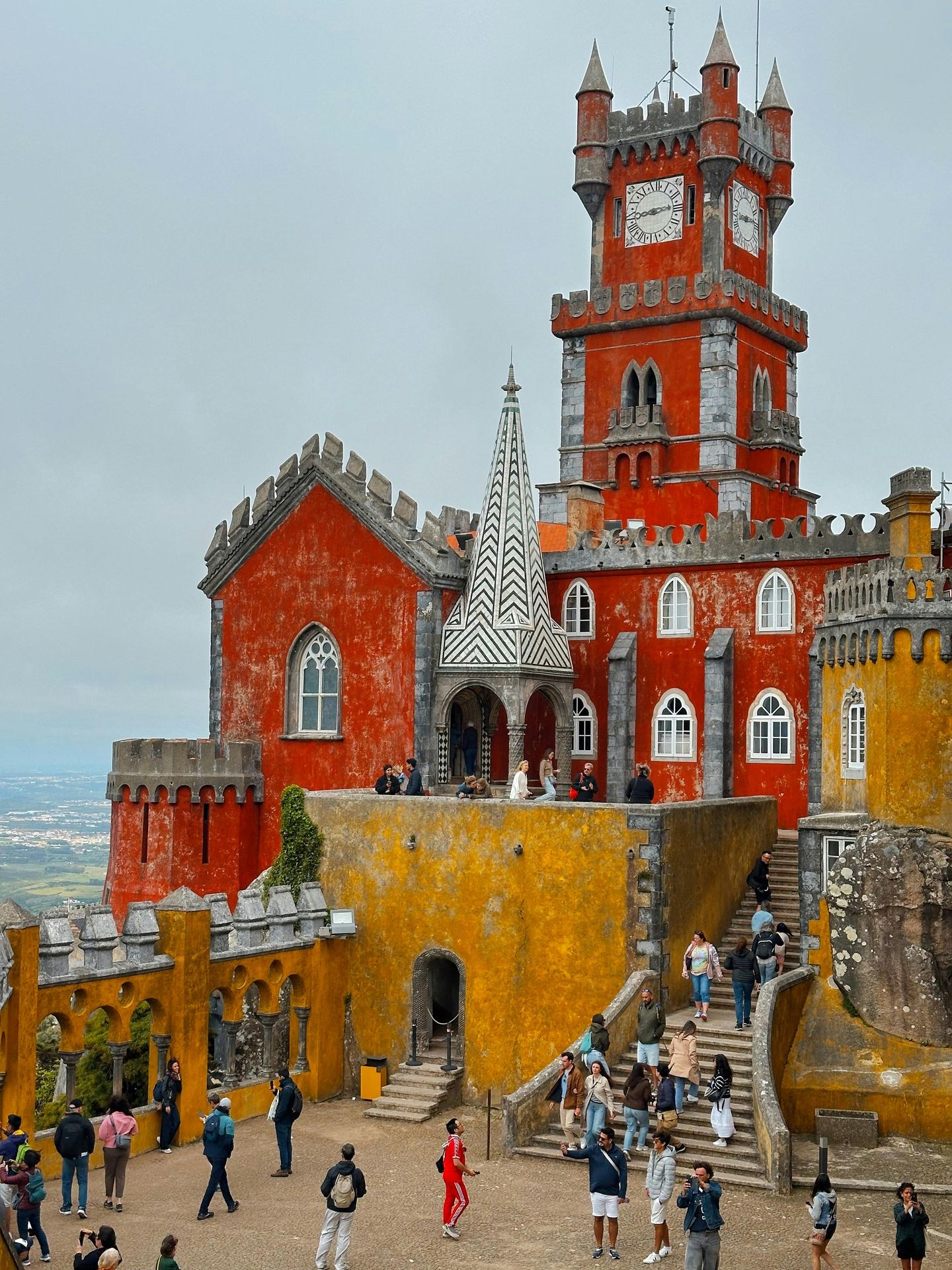
Some travelers dream of exploring Pena Palace.
Others are fascinated by the symbolism and gardens of Quinta da Regaleira.
Some prefer the quieter atmosphere of Monserrate.
And others would rather combine Sintra with Cabo da Roca, Cascais, or the Atlantic coastline.
A visitor passionate about architecture may have completely different priorities from someone interested in nature or photography.
In my experience, trying to visit too many attractions in one day can sometimes take away from the enjoyment of the places themselves.
My advice is simple: choose the places that genuinely interest you and give yourself enough time to appreciate them.
Rick Steves' Group Tours: Why I Personally Prefer Smaller Private Groups
Rick Steves offers organized tours that generally accommodate around 24 to 28 travelers.
Compared with traditional large coach tours, these are relatively small groups.
And I completely understand their advantages.
Organized tours simplify planning, provide professional guidance, and allow travelers to meet people from different backgrounds.
For solo travelers in particular, this social experience can be a wonderful benefit.
However, as someone who works with international visitors, I personally prefer a different approach.
I believe smaller private groups made up of family members or friends often offer greater opportunities for a personalized experience.
Let me explain why.
Imagine 25 travelers who have never met before exploring Portugal together.
One person wants to stop at a souvenir shop to buy gifts for their family.
Another wants to spend more time understanding the history of a medieval monastery.
Someone else is interested in Portugal's religious heritage.
Another traveler would rather enjoy a long traditional Portuguese lunch.
Others might prefer visiting a winery, hiking along the coastline, or relaxing at the beach.
Every one of these interests is perfectly reasonable.
But how can one fixed itinerary fully satisfy everyone?
An experienced guide can manage a group extremely well, but compromises are inevitable.
Now imagine a family of five or a group of six friends traveling together.
They already know each other, understand each other's preferences, and can discuss what they want from their holiday.
They may not agree on everything, but they can make decisions together.
If they want to spend more time in Sintra, they can.
If they prefer a relaxed lunch overlooking the Atlantic Ocean instead of another monument, they can make that choice.
And if they discover something unexpected along the way, there may be room to adapt the itinerary.
The difference isn't simply traveling in a group. It's traveling with people who share your vision of the perfect holiday.
This doesn't mean organized tours are a bad choice.
It simply means that travelers should understand the differences before deciding which experience suits them best.
Portugal Should Adapt to the Traveler, Not the Other Way Around
One of the things I love most about Portugal is its extraordinary diversity.
We may be a relatively small country, but we offer an incredible variety of landscapes, traditions, regional cuisines, historical sites, and cultural experiences.
And that's precisely why I believe there shouldn't be one universal itinerary for visiting Portugal.
For Hiking and Nature Lovers
Portugal offers some of Europe's most spectacular coastal and mountain walking experiences.
The Rota Vicentina, along the southwest coast, combines dramatic cliffs, traditional fishing villages, and beautiful Atlantic landscapes.
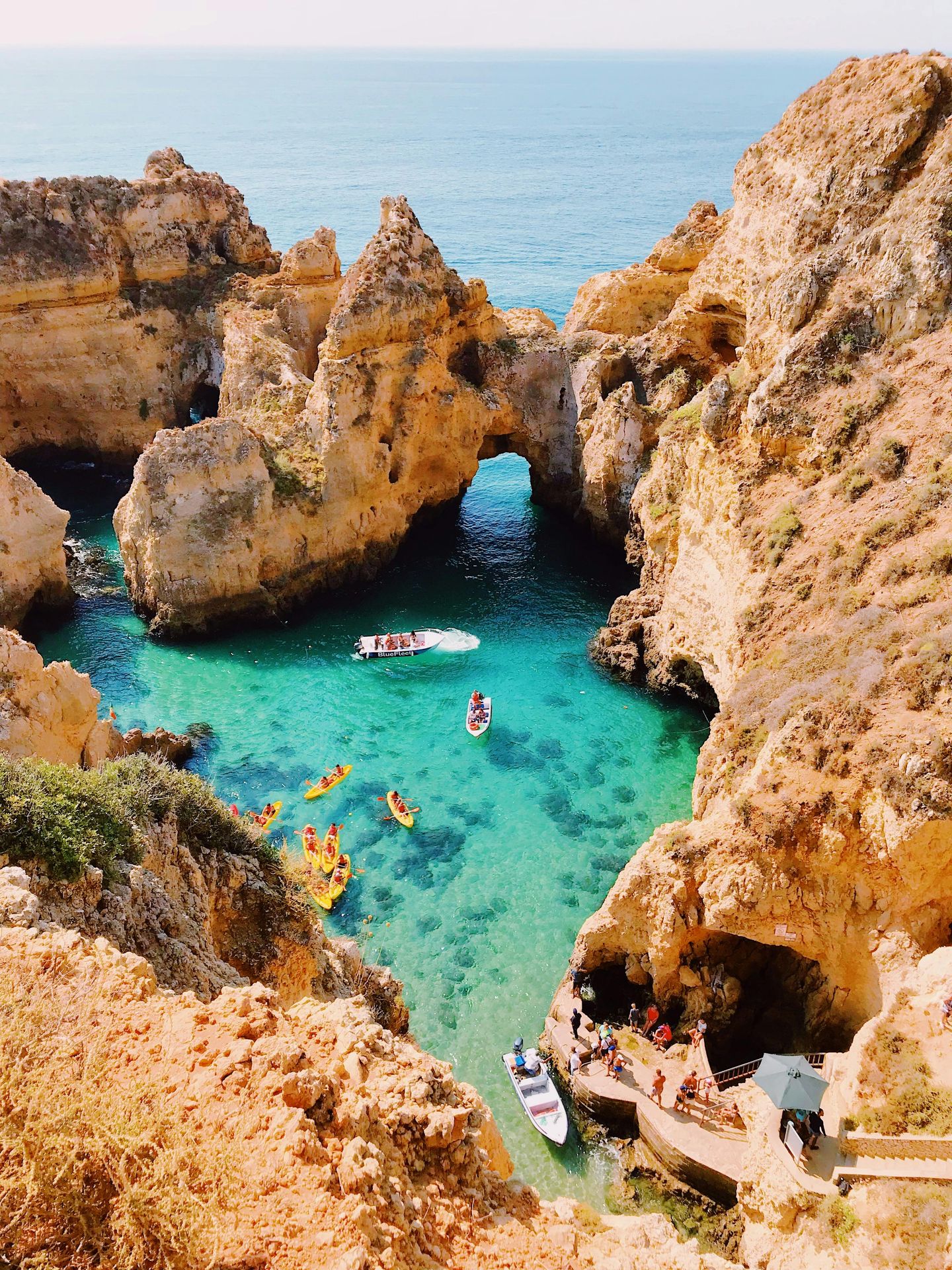
The Seven Hanging Valleys Trail in the Algarve offers remarkable views of limestone cliffs, beaches, and the ocean.
In northern Portugal, Peneda-Gerês National Park provides opportunities to explore mountain landscapes, forests, and traditional villages.
Serra da Estrela offers another completely different environment.
And Madeira is internationally recognized for its remarkable levada walks and mountain trails.
For someone passionate about hiking, these experiences may be far more memorable than visiting another palace or museum.
And that's perfectly fine.

For Food Lovers: A Different Portugal From North to South
Portuguese gastronomy changes considerably from region to region.
In Porto and northern Portugal, visitors can discover traditional dishes such as francesinha, tripas à moda do Porto, and regional meat specialties.
In central Portugal, roasted suckling pig from Bairrada, regional cheeses, and convent sweets offer completely different flavors.
In the Alentejo, traditional cuisine reflects the region's agricultural heritage, with olive oil, bread, herbs, and regional pork dishes.
And in the Algarve, fresh seafood, grilled fish, cataplana, and traditional desserts showcase the region's coastal identity.
For a food enthusiast, discovering Portugal through its regional cuisine could be the highlight of the entire trip.
Why should that person follow exactly the same itinerary as someone whose main interest is medieval history?

For Wine Enthusiasts
Portugal has extraordinary wine regions, each with its own identity.
The Douro Valley is famous for its terraced vineyards and Port wine.
The Alentejo offers expansive vineyards, historic estates, and distinctive regional wines.
The Dão, Bairrada, Vinho Verde, and Setúbal regions provide even more opportunities for discovery.
A traveler passionate about wine may prefer spending several days visiting vineyards, meeting producers, exploring cellars, and enjoying regional gastronomy.
For that person, a wine-focused itinerary may be far more meaningful than a conventional sightseeing tour.
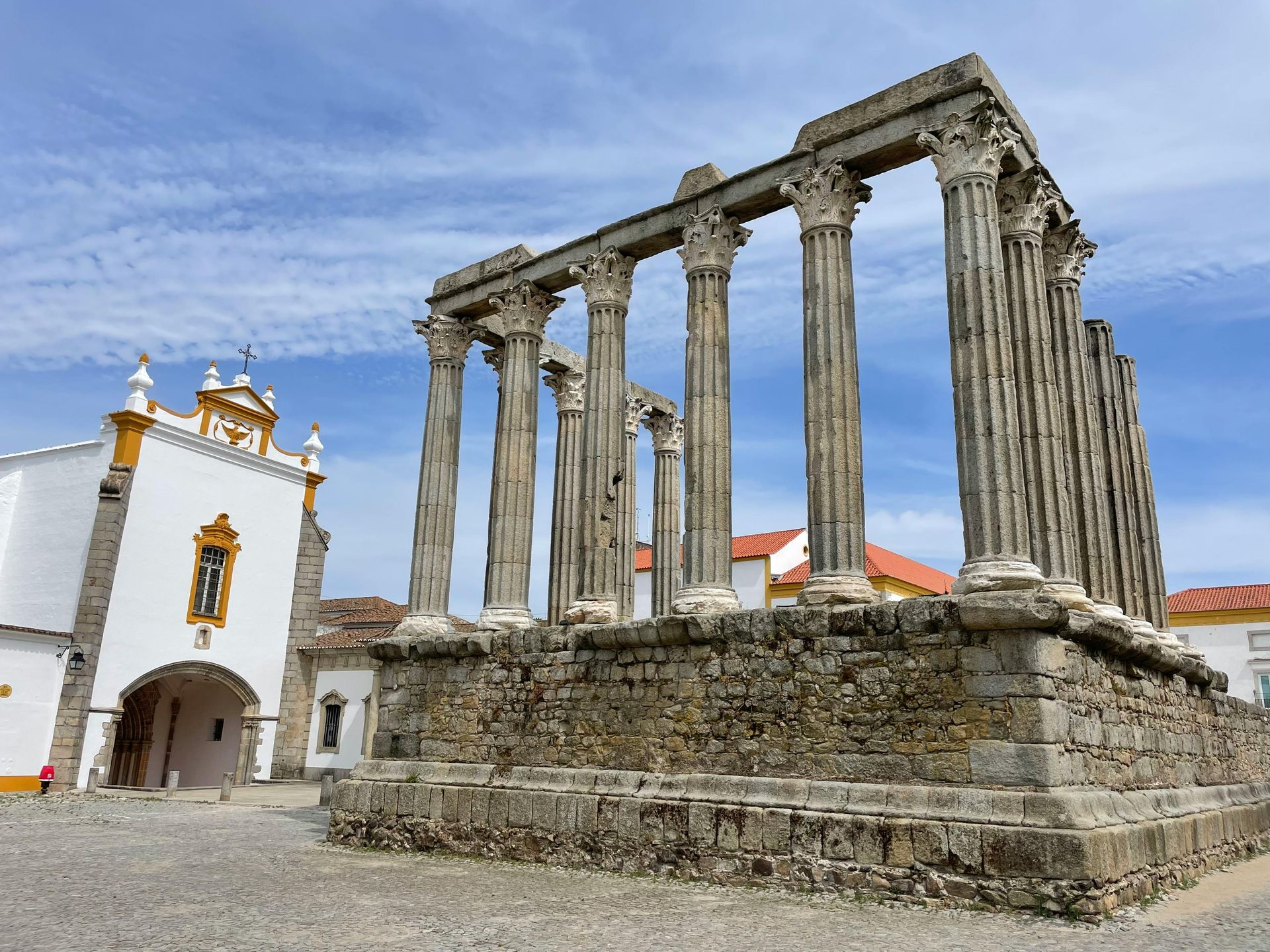
For History Lovers
Portugal is an extraordinary destination for anyone interested in history.
From Roman settlements and medieval castles to the Knights Templar, the Age of Discoveries, and the Portuguese monarchy, there are centuries of fascinating stories to explore.
Someone interested in the Knights Templar might want to spend several hours exploring the Convent of Christ in Tomar.
Another visitor may be fascinated by the Cistercian heritage of Alcobaça or the Gothic architecture of Batalha.
Others may prefer the Roman history of Évora, the royal palaces of Sintra, or Lisbon's maritime heritage.
Even within the category of history, travelers have very different interests.
And those differences deserve to be considered.
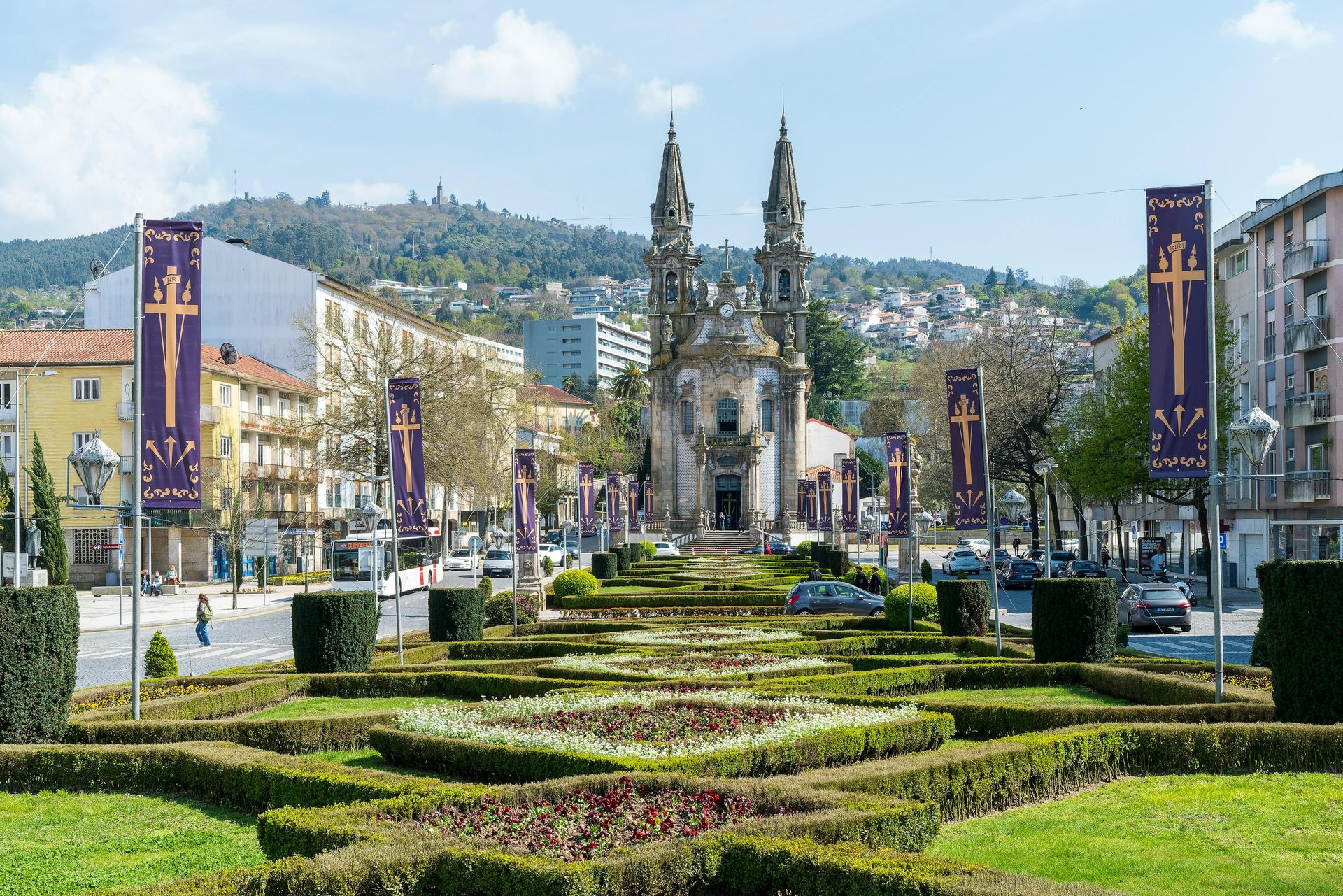
For Religious and Spiritual Travelers
Portugal has a remarkable religious heritage.
For some visitors, the Sanctuary of Fátima is one of the main reasons for traveling to the country.
Others are interested in historic monasteries, churches, cathedrals, religious architecture, and the traditions that have shaped Portuguese society.
Destinations such as Braga, Alcobaça, Batalha, and Tomar offer fascinating opportunities to explore this heritage.
And for those who enjoy combining spirituality with walking, the Portuguese routes of the Camino de Santiago offer another meaningful experience.
These travelers may want to dedicate more time to sacred places, religious history, and moments of reflection.
Their ideal itinerary can be very different from that of someone looking for beaches, shopping, or outdoor adventures.
My Approach: Start With the Person, Not the Destination
When someone asks me what they should visit in Portugal, I believe the first step is understanding what they actually enjoy.
Of course, the number of days available matters.
But so do personal interests, physical mobility, travel expectations, and the people they're traveling with.
Do they love history?
Are they interested in gastronomy and wine?
Would they prefer hiking, religious heritage, beaches, or natural landscapes?
Are they traveling with children?
Do they enjoy busy schedules, or would they rather explore at a slower pace?
These questions can completely change the itinerary I would recommend.
Sometimes, the best advice is to visit fewer places and spend more time enjoying them.
Because the goal shouldn't be to see as many attractions as possible.
The goal should be to experience the places that matter most to you.
Final Thoughts: Different Perspectives, One Shared Appreciation for Portugal
I want to finish by emphasizing my respect for Rick Steves and the work he has done introducing travelers to Portugal.
His recommendations reflect serious research, cultural understanding, and a genuine appreciation for the country.
I believe his travel guides offer an excellent foundation for planning a Portuguese holiday.
My intention is simply to add another perspective, shaped by my experience as someone who lives in Portugal and works with visitors from different parts of the world.
Organized group tours can be wonderful.
Independent travel can be wonderful.
And private tours with family members or friends can offer a different kind of freedom and flexibility.
The important thing is understanding which approach best suits you.
Portugal shouldn't adapt to a travel itinerary. Your travel itinerary should adapt to you.
Because ultimately, the best holiday isn't necessarily the one that includes the most famous attractions.
It's the one that creates the most meaningful memories for the people experiencing it.
Rúben Afonso